
Wavy Hair Extensions
All our wavy human hair extensions in one place – hair weft, tape, keratin strands, clip-in, halo and ponytail.
Wavy hair hides transitions better than straight hair, which makes it the most forgiving choice if you are new to hair extensions.
-
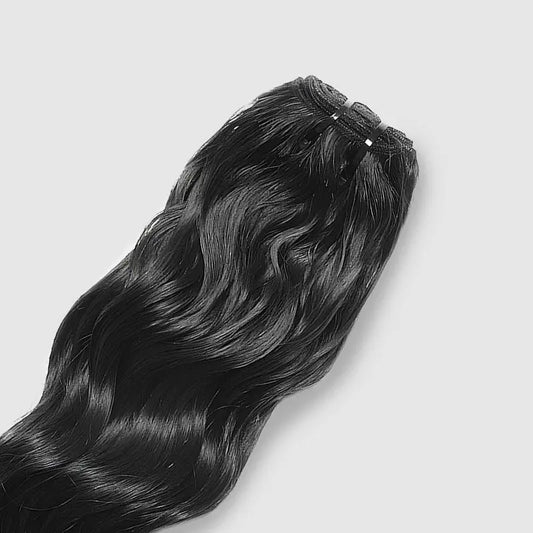
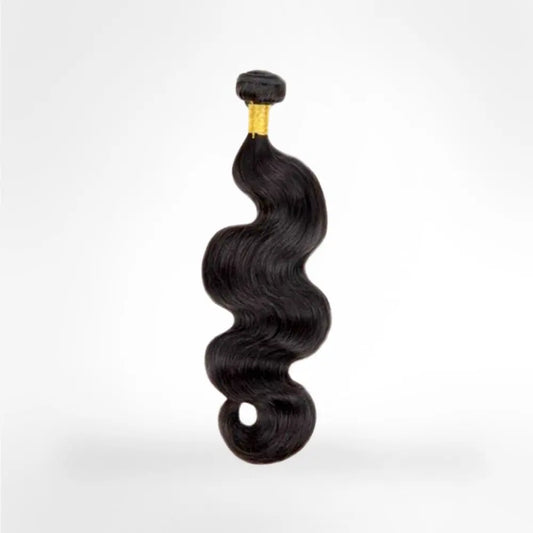
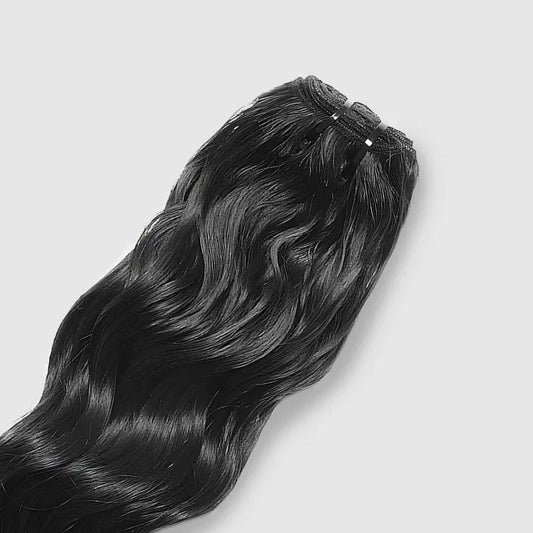
Luxury Hair Weft – Wavy
Regular price From 1 290 SEKRegular price -
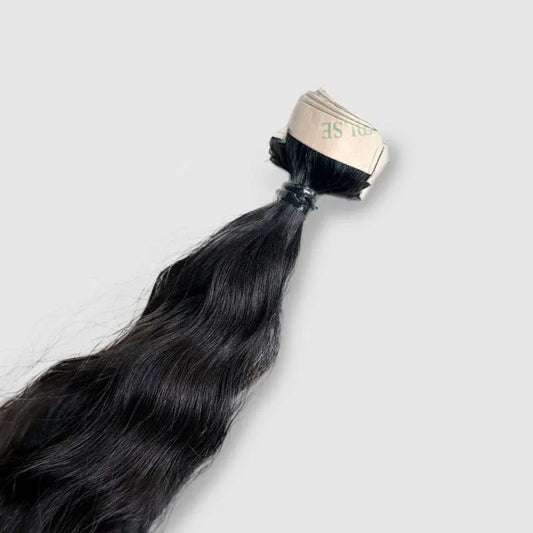
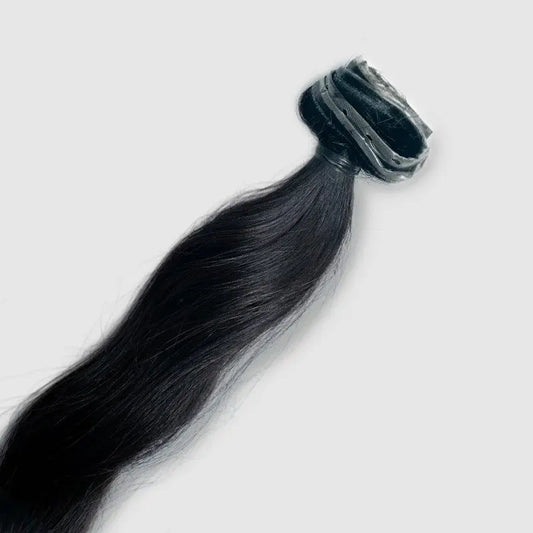
Luxury Tape Extensions – Wavy
Regular price From 749 SEKRegular price -
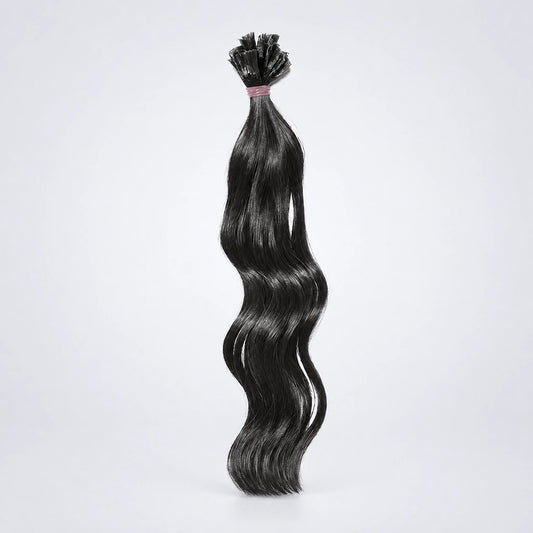
Luxury Keratin – Wavy
Regular price From 649 SEKRegular price -
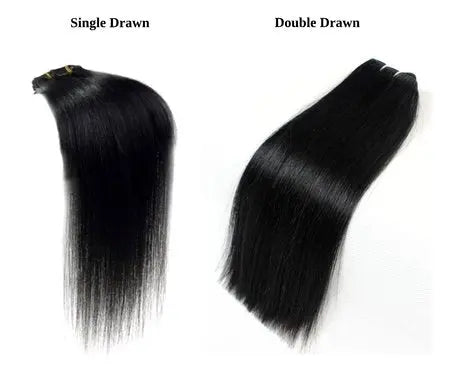
Luxury Double Drawn Hair Weft – Wavy
Regular price From 1 990 SEKRegular price -
Classic Hair Weft – Wavy
Regular price From 1 299 SEKRegular price -
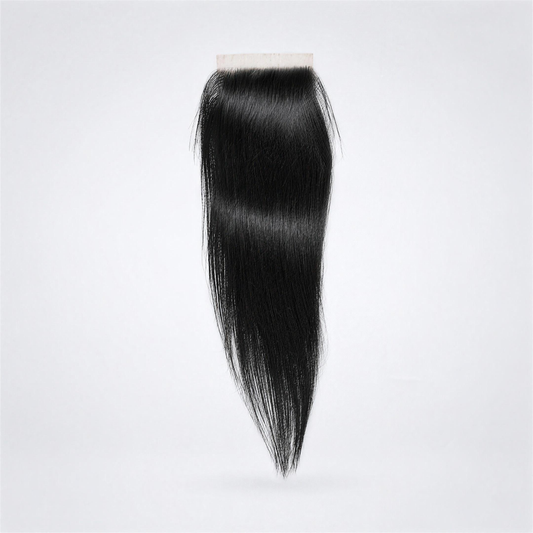
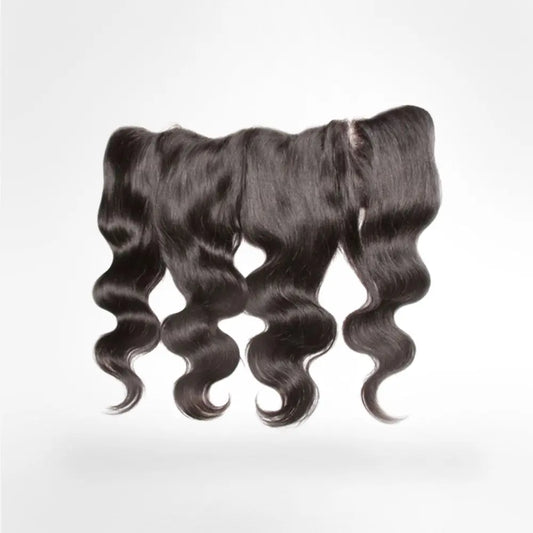
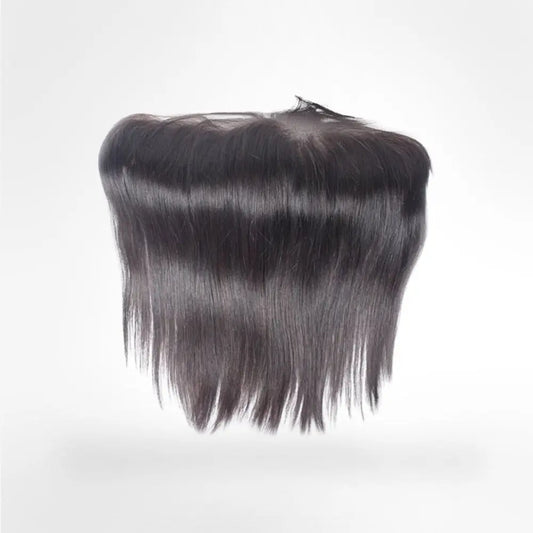
Classic Lace Closure – Straight & Wavy
Regular price From 890 SEKRegular price -
Luxury HD Lace Closure – Straight, Wavy & Curly
Regular price From 2 099 SEKRegular price -
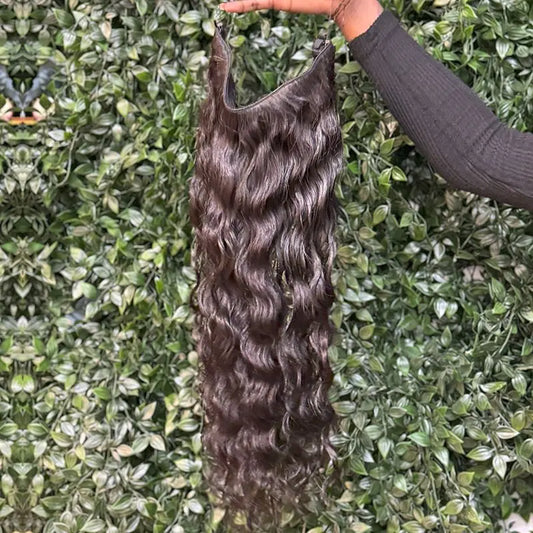
Luxury Halo Hairband – Wavy
Regular price From 3 490 SEKRegular price -
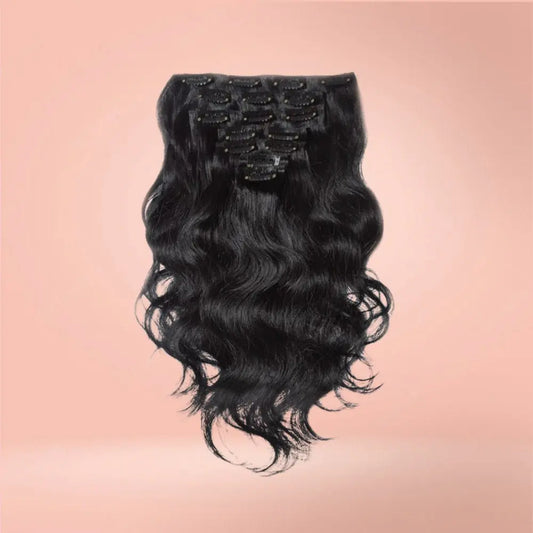
Luxury Clip-in – Wavy
Regular price From 3 499 SEKRegular price -
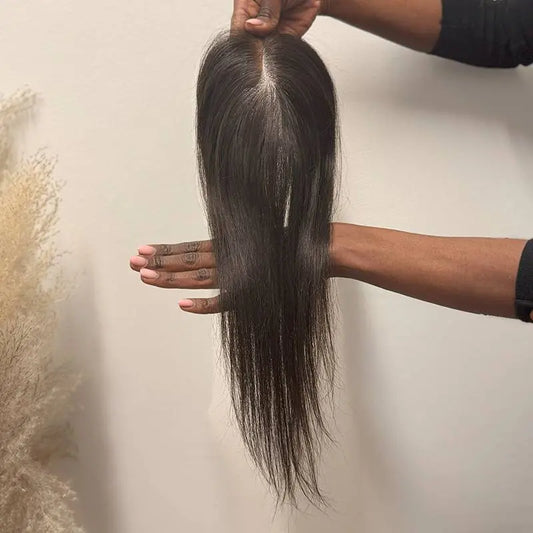
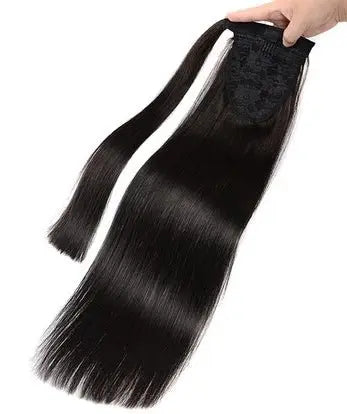
Luxury Human Hair Ponytail – Straight, Wavy & Curly
Regular price From 3 490 SEKRegular price -
Luxury Invisible Hair Weft – Wavy
Regular price From 1 990 SEKRegular price -
Luxury Butterfly Weft – Wavy
Regular price From 1 790 SEKRegular price -
Luxury Silk Base Closure – Straight & Wavy
Regular price From 2 499 SEKRegular price -
Classic Human Hair Ponytail – Straight, Wavy & Curly
Regular price From 1 199 SEKRegular price -
Luxury HD Lace Frontal – Straight & Wavy
Regular price From 2 499 SEKRegular price















Frequently asked questions
Hair weft, invisible weft, tape, keratin strands, clip-in, halo and ponytail. The category brings together every method in a wavy texture, in human hair.
The waves break up the light and hide the transition between your own hair and the extensions. Small colour differences and a fresh move-up show less than in straight hair.
A little, but nowhere near as much as curly hair. Expect the length to look a few centimetres shorter than the measurement when the hair is dry and unstyled.
No, that's normal in human hair. The wave comes back when you reshape it with heat or let the hair air-dry in a braid.
Luxury and Premium are Remy hair with all strands running the same way, which means the least tangling and the longest lifespan. Classic is human hair but not Remy, and a good choice at a lower cost.
Tape, keratin strands and invisible weft are the gentlest for fine or thin hair. Halo is the gentlest of all, as it sits on a wire with no bonds at all.
Tape is moved up every 8–10 weeks, micro rings every 2–3 months. Keratin strands last 3–4 months and are then reinstalled. Halo, clip-in and ponytail you take out whenever you like.
Yes, human hair can be straightened with heat protection and gets its wave back after washing.
Brush the hair when it's dry, not wet, and work from the ends upwards. Let the hair air-dry rather than blow-drying it straight, so the wave keeps its shape.
You can put in halo, clip-in and ponytail yourself in a few minutes. Tape, keratin, micro rings and hair weft need a technician – we do this in Stockholm and Uppsala.